Pans are sizzling, and the smell of garlic fills the kitchen. In just under 30 minutes, I’ve whipped up Spicy Szechuan Shrimp And Noodles, and it’s already looking like a winner.
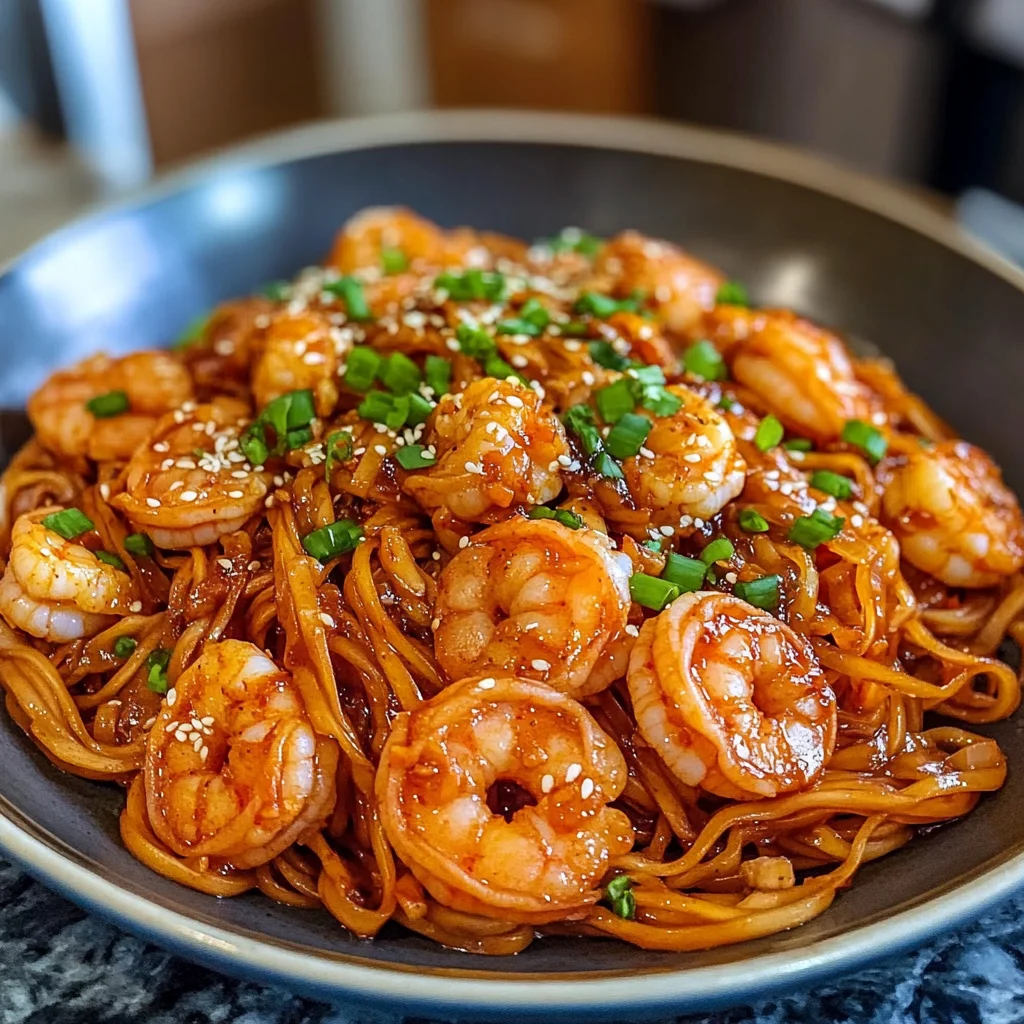
This is for those nights when you have a craving for something bold but don’t want to spend forever in the kitchen. Instead of heavy sauces or endless prep, this dish packs a punch with fresh ginger and chili paste — plus, it’s ready before your favorite show starts (trust me on this). Just grab a bowl and dig in. Dinner’s sorted!
Why You’ll Love This Spicy Szechuan Shrimp And Noodles
- Quick to Make: Whip this up in under 30 minutes, so it’s perfect for busy weeknights when you need a win.
- Flavor Explosion: It’s got that spicy, tangy kick from the Szechuan peppercorns and chili paste that just hits right.
- Texture Party: The shrimp are juicy-tender while the noodles are perfectly al dente, creating a fun bite every time.
- Customizable Goodness: Feel free to toss in any veggies you’ve got on hand; it works with whatever’s lurking in your fridge!
- A Little Spicy: Just a heads up — if you’re sensitive to heat, start with less chili paste or you might need some milk after!
Spicy Szechuan Shrimp And Noodles Ingredients
For the Base:
shrimp (12 ounces) — Get fresh shrimp or they’ll taste rubbery and bland—frozen is fine if fresh isn’t available.
egg noodles (8 ounces) — Use fresh egg noodles, or your dish’ll lack that perfect chewy texture—don’t even think about using dried.
vegetable oil (1 tablespoon) — Grab a neutral oil like canola; olive oil’ll mess with the flavor—stick with what works.
garlic (2 cloves) — Minced garlic’s a must; powdered just won’t give you that punchy aroma—don’t skimp!
ginger (1 inch) — Fresh ginger’s key—ground won’t cut it for that zingy kick you need.
For the Sauce:
soy sauce (2 tablespoons) — Use low-sodium soy sauce for better control over salt—regular’s too salty when you add more flavor.
Szechuan peppercorns (1 tablespoon) — Don’t skip on Szechuan peppercorns; they’re essential for that numbing spice—substitutes are a crime.
chili paste (1 tablespoon) — Use sambal oelek for chili paste; it’s got the right heat, or you’ll lose the zing!
rice vinegar (1 tablespoon) — Rice vinegar’s gotta be rice vinegar; white or apple cider won’t give you that tang—no substitutes here.
honey (1 tablespoon) — Use real honey, not that fake stuff—otherwise, your sauce won’t have the right depth.
For the Garnish:
scallions (2 scallions) — Fresh scallions are a must—dried won’t bring that fresh crunch to your dish.
sesame seeds (1 tablespoon) — Toast sesame seeds for extra nuttiness; skipping this step means missing out on flavor.
Full measurements in the recipe card below.
How to Make Spicy Szechuan Shrimp And Noodles
1. Cook the noodles: Boil the egg noodles in salted water according to package instructions until al dente, then drain and set aside (you’ll know they’re done when they have a slight bite).
2. Heat the oil: In a large pot, heat 1 tablespoon of vegetable oil over medium heat until it shimmers—this only takes a minute or so.
3. Sauté aromatics: Add 2 cloves of minced garlic and 1 inch of grated ginger to the pot. Sauté for 1-2 minutes until fragrant (trust me, your kitchen’s gonna smell amazing).
4. Add shrimp: Toss in the shrimp and cook for about 3-4 minutes, stirring occasionally, until they turn pink and opaque—don’t rush this part, or you’ll end up with rubbery shrimp.
5. For the sauce: In a small bowl, mix together 2 tablespoons of soy sauce, 1 tablespoon crushed Szechuan peppercorns, 1 tablespoon chili paste, 1 tablespoon rice vinegar, and 1 tablespoon honey.
6. Combine everything: Pour that spicy sauce over your cooked shrimp and stir well to coat. Cook for an additional 2 minutes—you’ll hear it bubble softly as it thickens.
7. Finish it off: Add the drained noodles to the pot and toss everything together until well coated in sauce (it’s gonna look glossy and delicious). Serve hot, garnished with sliced scallions and toasted sesame seeds.
Exact quantities in the recipe card below.
How to Store Spicy Szechuan Shrimp And Noodles
- Room Temperature: Don’t leave this out for more than 2 hours. It’s best fresh, so if it’s sitting out too long, toss it.
- Refrigerator: Store in an airtight container for up to 3 days. The noodles might get a bit sticky, but they’re still tasty when reheated.
- Freezer: You can freeze this dish for about a month. Use freezer-safe containers or bags, but keep in mind the shrimp may lose some of their texture.
- Reheating: Heat in a pan over medium heat until warmed through and the noodles are steaming (you’ll know it’s ready when you can smell that spicy goodness again).
What to Serve with Spicy Szechuan Shrimp And Noodles?
It’s spicy and packed with flavor, so balancing it with something cooling or texturally different really makes it pop. Here are some ideas to round out your meal:
- Cucumber Salad: The crunchy texture and cold temperature provide a refreshing contrast that brightens every bite.
- Steamed Broccoli: The crisp-tender greens add color and a mild flavor, balancing the heat without overpowering it.
- Sesame Green Beans: Tossed in a little soy sauce, they bring a delightful crunch and earthy flavor to your plate.
- Pickled Carrots: Their tangy acidity cuts through the richness, making each mouthful feel lighter (plus, they’re super easy to prep).
- Mango Slices: Sweet, juicy fruit contrasts nicely with the spiciness while adding vibrant color—just slice and serve!
- Egg Drop Soup: This warm soup is quick to whip up in about 10 minutes and adds a comforting texture alongside the noodles.
- Chili Garlic Edamame: A nice snack or side that brings extra heat; just steam them for 5 minutes and toss with garlic for extra zing.
- Fried Wontons: Crunchy and golden-edged, these make an awesome textural contrast; fry them up while your noodles are cooking!
Spicy Szechuan Shrimp And Noodles Variations
Here’s how to play with this recipe and make it your own!
- Extra Veggies: Toss in 1 cup of sliced bell peppers and snap peas with the shrimp for a colorful crunch.
- Heat It Up: Add an extra tablespoon of chili paste when pouring the sauce over the shrimp for serious spice lovers.
- Noodle Swap: Use rice noodles instead of egg noodles; add them at the same time as you add the sauce for a gluten-free option.
- Sesame Twist: Drizzle 1 tablespoon of sesame oil over the finished dish for a nutty aroma that elevates everything.
- Sweet & Sour Kick: Mix in 1 tablespoon of pineapple juice when you combine the sauce; it’ll bring a fun, tropical twist.
- Next Level Garlic: Sauté 2 more cloves of garlic with the ginger at the start for a richer flavor punch — it’s so worth it!
- Creamy Addition: Stir in 2 tablespoons of coconut milk right before adding the noodles for a creamy, dreamy finish (trust me!).
Make Ahead Options for Spicy Szechuan Shrimp And Noodles
I love prepping the sauce for my Spicy Szechuan Shrimp And Noodles ahead of time. You can mix it up to three days in advance and store it in an airtight container in the fridge. The shrimp, on the other hand, is best cooked fresh — they tend to lose their nice texture if you try to store them. I usually cook the egg noodles right before serving, as they can get a bit mushy if they’re sitting around too long. When you’re ready to eat, just toss everything together in a hot pan for a few minutes. Trust me, don’t skip that last step!
Spicy Szechuan Shrimp And Noodles Recipe FAQs
Can I make Spicy Szechuan Shrimp And Noodles ahead of time?
You can definitely prep some parts ahead! Cook the noodles and shrimp, then store them separately in the fridge. Just remember to wait to mix everything until you’re ready to eat, or the noodles might get mushy. When you heat it up, give it a quick toss in a pan—listen for that sizzle as it warms up. It’ll taste fresher that way!
What can I substitute for Szechuan peppercorns in this dish?
Honestly, don’t skip on Szechuan peppercorns; they’re what gives this dish its signature numbing spice. If you really can’t find them, crushed red pepper flakes might add some heat, but you won’t get that unique flavor. You could even try a bit of black pepper for warmth, but it won’t pack the same punch (trust me on this).
Why did my noodles turn out sticky in this recipe?
Sticky noodles usually happen if they weren’t drained well or if they were overcooked. Make sure to boil your egg noodles just until al dente—aim for that slight bite when tasting them! After draining, rinse them under cold water quickly to stop cooking and remove excess starch. This’ll help keep them from clumping together later.
Can I use dried noodles instead of fresh egg noodles for this recipe?
I wouldn’t recommend using dried noodles here—they just won’t give you that chewy texture that makes this dish shine. Fresh egg noodles are key for achieving those fork-tender bites. If fresh isn’t an option, consider looking for frozen ones instead; they’ll work better than dried!
Final Thoughts on Spicy Szechuan Shrimp And Noodles
This dish shines because of the incredible flavor payoff you get from just a handful of fresh ingredients. That punchy garlic and zingy ginger combo, paired with the numbing heat of Szechuan peppercorns, is seriously addictive. If you’ve been putting this off, tonight’s the night. Trust me, once you’ve made it, you’ll want to keep it in your weeknight dinner rotation. Drop a comment if you added anything — I’m always curious!
Spicy Szechuan Shrimp And Noodles
Ingredients
Method
- Cook the egg noodles according to package instructions until al dente. Drain and set aside.
- In a large pot, heat vegetable oil over medium heat.
- Add minced garlic and grated ginger to the pot and sauté for 1-2 minutes until fragrant.
- Add the shrimp to the pot and cook for about 3-4 minutes, or until they turn pink and opaque.
- In a small bowl, mix together soy sauce, crushed Szechuan peppercorns, chili paste, rice vinegar, and honey.
- Pour the sauce over the cooked shrimp and stir to combine well. Cook for an additional 2 minutes.
- Add the cooked noodles to the pot and toss everything together until well coated in the sauce.
- Serve hot, garnished with sliced scallions and toasted sesame seeds.