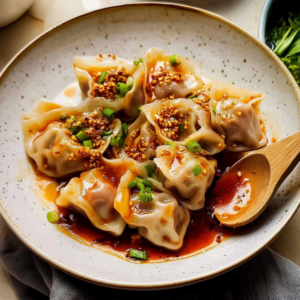
Imagine a vibrant bowl filled with perfectly cooked rice, topped with colorful vegetables, tender marinated beef, and a sunny-side-up egg that practically begs you to dig in. Korean Beef Bibimbap Bowls are not just a meal; they are an experience that tantalizes your taste buds while bringing a smile to your face. With each bite, you savor the harmony of flavors and textures, from the crunch of fresh veggies to the savory depth of beef.

The first time I made this dish, I was convinced it would be a culinary disaster. Instead, my family devoured every last bite and declared it one of their favorites. These bowls are perfect for weeknight dinners or impressing friends at dinner parties. Trust me, once you dive into these delicious creations, you’ll understand why they deserve a spot in your recipe rotation.
Why You'll Love This Korean Beef Bibimbap Bowls
- This incredible Korean Beef Bibimbap Bowls transforms simple everyday ingredients into restaurant-quality flavors that will blow your mind completely.
- Foolproof recipe techniques guarantee perfect results every single time, making even novice cooks feel like professional chefs instantly.
- Stunning visual appeal with gorgeous colors and mouthwatering aromas creates the ultimate Instagram-worthy dish for any special occasion.
- Endlessly adaptable for different dietary needs while working beautifully for meal prep, date nights, or entertaining large groups effortlessly.
I still remember my daughter’s eyes lighting up when she took her first bite of this dish—pure joy!
Essential Ingredients
Here’s what you’ll need to make this delicious dish:
-
Jasmine Rice: Opt for jasmine rice for its fragrant aroma and fluffy texture that complements the dish beautifully.
-
Ground Beef: Choose lean ground beef to keep it flavorful without being greasy; feel free to swap with ground turkey or tofu for variety.
-
Fresh Spinach: Use young spinach leaves for a mild flavor and tender texture; sauté them lightly to preserve their vibrant color.
-
Carrots: Grate fresh carrots finely; they add a lovely crunch and natural sweetness that balances the savory elements.
-
Mushrooms: Shiitake mushrooms bring an earthy depth; sauté until golden brown for maximum flavor.
-
Eggs: Use fresh eggs; a perfectly fried egg on top adds richness and creaminess to each bite.
For the Sauce:
-
Korean Gochujang Sauce: This spicy fermented chili paste is essential; adjust the amount based on your heat preference.
-
Soy Sauce: Low-sodium soy sauce is best to control saltiness without sacrificing flavor.
-
Sesame Oil: A little toasted sesame oil adds richness and nutty aroma that elevates the entire dish.
The full ingredients list, including measurements, is provided in the recipe card directly below.

How to Make Korean Beef Bibimbap Bowls
Cook the Jasmine Rice: Rinse 1 cup of jasmine rice under cold water until it runs clear. In a pot with 2 cups of water, bring it to a boil before reducing heat to low. Cover and cook for about 15 minutes or until tender.
Sauté the Vegetables: In a skillet over medium heat, add a splash of oil. Start by sautéing grated carrots and chopped spinach until they’re bright and tender—about 3-4 minutes should do it.
Cook the Ground Beef: In the same skillet, add another splash of oil if needed and cook 1 pound of ground beef until browned. Season with soy sauce and gochujang during cooking for maximum flavor infusion.
Add Mushrooms Last Minute: Toss sliced shiitake mushrooms into the beef mixture when it’s almost done cooking. Sauté until they’re soft and have absorbed all those delicious flavors—this usually takes about 3 minutes.
Fry the Eggs Perfectly: In another pan over medium heat, crack eggs into hot oil carefully—be gentle! Cook until whites are set but yolks remain runny; this takes about 3-4 minutes if you want them sunny-side-up.
Assemble Your Bowls: In each bowl, start with a generous scoop of jasmine rice as your base. Top it with beef mixture, sautéed vegetables, and finally crown it all with an egg on top! Drizzle some extra gochujang sauce over everything before serving.
Now you’re ready to dig in! Enjoy every colorful bite of these Korean Beef Bibimbap Bowls that not only satisfy hunger but also look stunning on your table. Perfect for impressing guests or simply treating yourself after a long day!
You Must Know About Korean Beef Bibimbap Bowls
- This showstopping Korean Beef Bibimbap Bowls delivers restaurant-quality results using simple ingredients you probably already have at home.
- The perfect balance of textures and flavors creates an unforgettable dining experience that will have everyone asking for seconds.
- Picture-perfect presentation with vibrant colors makes this dish absolutely Instagram-worthy and guaranteed to impress any dinner guest.
- Incredibly versatile recipe that works beautifully for weeknight dinners, meal prep, special occasions, or even outdoor entertaining sessions.
Perfecting the Cooking Process
To achieve the best results, start by marinating the beef while preparing your rice. Once the rice is done, sear the marinated beef in a hot pan until it’s beautifully caramelized. While the beef cooks, quickly sauté your vegetables for a vibrant crunch. Finish off by frying an egg in the same pan to soak up all those delicious flavors.
Add Your Touch
Feel free to customize your bibimbap bowl with seasonal vegetables like zucchini or spinach. Swap out beef for chicken or tofu for a vegetarian option. You can also play with sauces; go with spicy gochujang or tangy soy sauce based on your preference. Each tweak adds a personal flair to this classic dish.
Storing & Reheating
Store leftover bibimbap in an airtight container in the fridge for up to three days. For reheating, warm it gently in a skillet over low heat, adding a splash of water to prevent drying out. If you prefer it fresh, consider reheating each component separately for optimal texture.
Chef's Helpful Tips for Korean Beef Bibimbap Bowls
- This professional-quality Korean Beef Bibimbap Bowls relies on precise timing and temperature control to achieve restaurant-standard results consistently.
- Master the art of mise en place by prepping all ingredients beforehand, ensuring smooth execution and preventing any last-minute cooking disasters.
- The secret lies in layering flavors throughout the cooking process rather than seasoning only at the end for maximum depth.
- Tip let the finished dish rest for optimal texture and flavor development before serving to hungry guests waiting eagerly.
Sharing my first attempt at this dish brings back memories of my friends’ faces lighting up as they took their first bite; I knew I had nailed it.
FAQ
What is the best beef cut for Korean Beef Bibimbap Bowls?
The best cuts are tender options like sirloin or ribeye, which cook quickly and absorb marinades beautifully. These cuts provide great flavor without requiring extensive cooking time, making them ideal for quick meals.
Can I make Bibimbap vegetarian?
Absolutely! Replace beef with tofu or tempeh marinated in soy sauce and sesame oil. Add plenty of colorful vegetables like carrots, cucumbers, and mushrooms to maintain the dish’s signature vibrancy while keeping it meat-free.
How do I adjust spice levels in my Bibimbap?
For milder dishes, reduce gochujang or omit it altogether, then offer it on the side so diners can add their preferred spice level later. You can also use less spicy chili paste or sweet sauces if desired.
How important is presentation in Bibimbap?
Presentation is key! Layering ingredients separately not only looks stunning but allows each flavor to shine individually when mixed together at the table—creating an exciting visual experience before digging into that deliciousness!
Conclusion for Korean Beef Bibimbap Bowls
Korean Beef Bibimbap Bowls are not just a meal; they’re a culinary adventure ready to be personalized with your favorite ingredients and spices. With some preparation and creativity, you can create a stunning dish that delights both your taste buds and your guests’ eyes. Enjoy every colorful layer as you savor this delicious blend of flavors!
Korean Beef Bibimbap Bowls
Korean Beef Bibimbap Bowls are a delightful mix of flavors and textures, featuring tender marinated beef, colorful veggies, and a fried egg atop fluffy jasmine rice. This dish not only satisfies your hunger but also elevates your dining experience with its vibrant presentation. Perfect for weeknight dinners or impressing guests, these bowls promise to be a hit at any table.
- Prep Time: 15 minutes
- Cook Time: 25 minutes
- Total Time: 40 minutes
- Yield: Serves 4
- Category: Main
- Method: Sautéing/Frying
- Cuisine: Korean
Ingredients
- 1 cup jasmine rice
- 1 lb lean ground beef
- 2 cups fresh spinach
- 1 cup grated carrots
- 1 cup sliced shiitake mushrooms
- 2 eggs
- 2 tbsp gochujang sauce (adjust for spice)
- 2 tbsp low-sodium soy sauce
- 1 tsp toasted sesame oil
Instructions
- Rinse jasmine rice under cold water. In a pot with 2 cups water, bring to a boil. Reduce heat, cover, and cook for about 15 minutes until tender.
- In a skillet over medium heat, sauté grated carrots and spinach in a splash of oil for 3-4 minutes until bright and tender.
- Add ground beef to the same skillet and cook until browned, seasoning with soy sauce and gochujang.
- When beef is nearly done, add sliced shiitake mushrooms and sauté for an additional 3 minutes until soft.
- In another pan, fry eggs sunny-side-up until whites are set but yolks remain runny (about 3-4 minutes).
- Assemble each bowl with jasmine rice as the base, topped with the beef mixture, sautéed vegetables, and a fried egg on top. Drizzle extra gochujang sauce before serving.
Nutrition
- Serving Size: 1 bowl (350g)
- Calories: 550
- Sugar: 4g
- Sodium: 650mg
- Fat: 28g
- Saturated Fat: 10g
- Unsaturated Fat: 16g
- Trans Fat: 0g
- Carbohydrates: 50g
- Fiber: 3g
- Protein: 30g
- Cholesterol: 180mg
Keywords: Customize your bibimbap with seasonal vegetables like zucchini or bell peppers. For vegetarian options, substitute ground beef with tofu or tempeh and load up on veggies. Adjust the spice level by varying the amount of gochujang.